





Behind every fast, beautiful website is a layer of invisible work. Manual tasks that slow teams down, clog systems, and quietly waste energy.
Assets are resized. Re-uploaded. Renamed. Compressed. Decompressed. Replaced. Over and over. It’s the same image, just multiplied across devices, screen sizes, and updates. And in the middle of it all? Editors, developers, and content teams caught in a loop of rework.
We’ve come to accept this as just part of publishing online.
It shouldn’t be.
One asset. Infinite versions. Zero rework.
When your digital asset management (DAM) system integrates directly with your content management system (CMS) like QBank with Umbraco, things change.
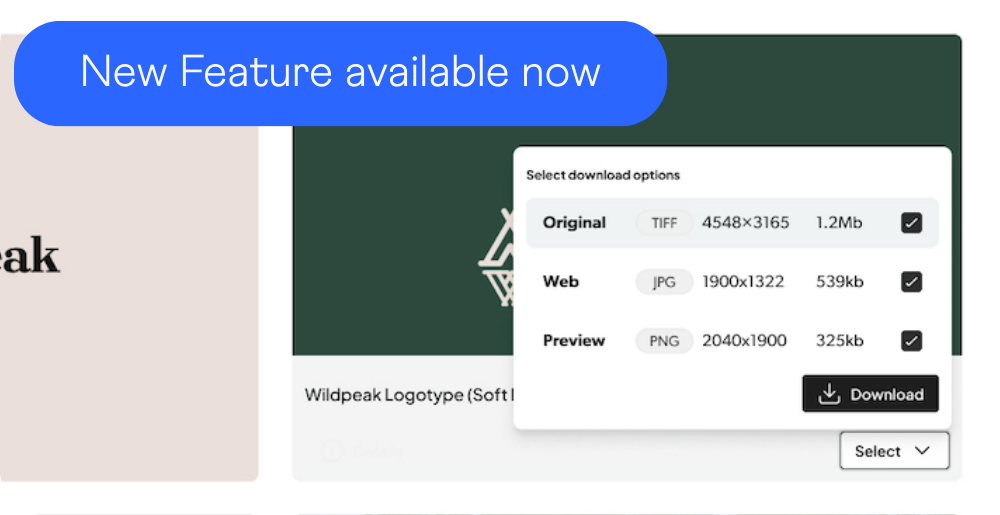
QBank’s Media Optimizer (QMO) eliminates repetitive media handling by delivering the exact format, size, and quality needed at the moment of use. Directly. Automatically. Dynamically.
No guessing compression settings. No prepping dozens of versions. No back-and-forth with design.
Just one master asset in QBank and the right version shows up exactly where it’s needed.
Your editor drops the image into the CMS. The QBank connector handles the routing. QMO generates the correct version, live, via dynamic URLs.
Different screen? Different crop? New layout?
Same source file. No rework. No plugins. No performance hit.
Invisible efficiency, visible impact
What makes this powerful isn’t just speed, though your site will load faster.
It’s the automation.
It’s the reduction in digital waste.
It’s the fact that your teams won’t need to change how they work to benefit from it.
By connecting DAM and CMS and enabling dynamic media delivery, you reduce:
-
asset duplication
-
storage overload
-
manual reprocessing
-
bandwidth strain
-
and your website’s carbon footprint
And because QMO works seamlessly in the background, you gain without even noticing the lift.
Publishing at scale, without the slowdown
If your CMS powers multiple sites, markets, or languages, these savings multiply fast. Especially when teams are collaborating across locations or touchpoints.
QBank’s approach isn’t about stacking more tools onto your workflow. It’s about removing the friction that shouldn’t be there in the first place.
-
For editors, it means fewer manual steps and cleaner media libraries
-
For developers, it means faster load times and better UX scores
-
For marketing and brand teams, it means visual consistency with zero compromise
-
For sustainability teams, it means measurable reductions in digital emissions
This is what modern, integrated publishing should feel like.
What is QBank Media Optimizer (QMO)?
QMO is QBank’s built-in image and media delivery engine. It generates and serves optimized media variants via dynamic URLs, based on the needs of your front-end.
That means:
-
automatic format and resolution adjustments
-
smart cropping based on focal points
-
responsive image sizing across breakpoints
-
compression balanced with quality
-
support for CDNs and global delivery
It’s not a third-party add-on. It’s QBank-native. And it plays perfectly with CMSs like Umbraco through our direct connector.
Make your media lighter. Your publishing smarter.
Sustainable development isn’t just about choosing green hosting. It’s about eliminating waste where it hides, inside every process, every asset, every click.
That’s what dynamic DAM integration makes possible.
QBank helps your team move faster and publish better, without bloated workflows, without duplicated content, and without sacrificing visual quality for speed.
Ready to see what QBank + Umbraco (or your CMS) could do for your team?
Let’s talk. We’ll show you how it works, and what it saves.

Built for Umbraco. Ready for anything.
The QBank Connector for Umbraco plugs your DAM directly into your CMS, giving editors instant access to your media library, dynamic image delivery via QMO, and a faster, smarter way to publish. No more versioning chaos. No more guessing file formats. Just the right asset, every time.
Explore the QBank Umbraco integration ››