




-1.png?width=400&name=CMS%20(23)-1.png)

If there’s one thing last year reminded us of, it’s this: trust drives impact.
When users trust the system, they engage more. When they trust the people behind it, they build faster and get more out of their DAM. It sounds simple, but it shows up everywhere: higher adoption, smoother collaboration, and stronger brand consistency.
We saw it clearly in our latest surveys.
Teams with broader DAM use cases, where QBank is embedded into everyday workflows, reported the strongest results. And what stood out even more? The best outcomes came where we, as people, were closely involved in building those workflows together.
That kind of collaboration builds confidence in the platform and in the process. It reinforces the value of DAM as something bigger than a system. It becomes infrastructure for how teams work, share, and grow together.
That same principle showed up in our internal results too. When people are supported and trusted, it impacts everything, from product to service, adoption to innovation.
And that’s where 2026 comes in. We believe this will be the year DAM truly steps into its role as content infrastructure. Not just a place to store assets, but a place to activate them.
So how do you build that kind of trust? It’s not just about features. It’s about giving people what they need to do great work.
Here are three practical priorities to focus on as we head into 2026:
1. Simplify your content distribution
Getting content into the right hands – fast, and on brand – is still one of the biggest challenges for large organizations. That’s why distribution is at the heart of where DAM is heading. It’s not just about storage. It’s about access, clarity, and confidence.
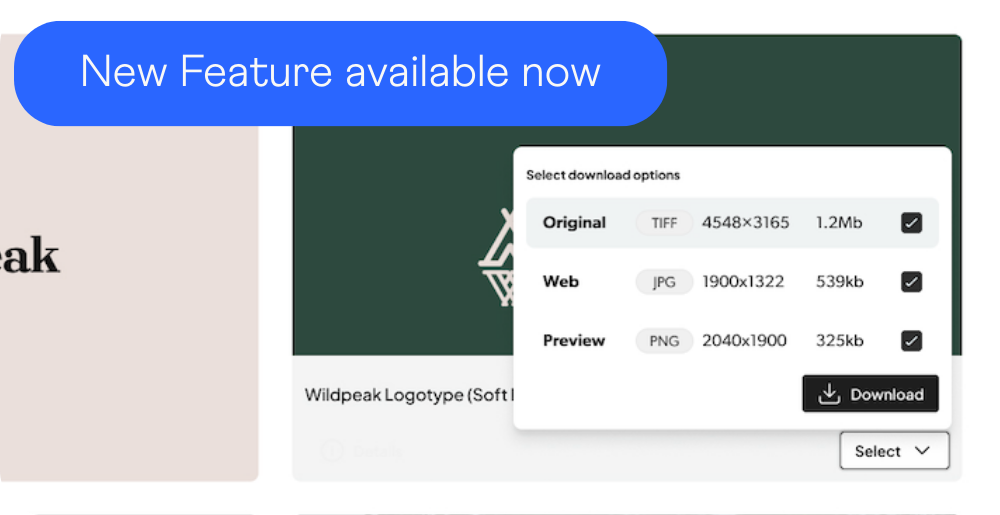
Tools like branded portals make that process easier by giving internal and external users a consistent, intuitive experience. But it doesn’t stop there. Integrations with CMS, PIM, and design systems create seamless handoffs and reduce manual work. Content can move from creation to activation without getting stuck.
Your DAM should be the engine behind your content flows—connecting people, tools, and touchpoints with ease.
This shift toward "distribution-first" DAM is something we explored in The future of DAM is distribution-first, where we outlined how asset delivery is becoming just as important as asset management.
Tip: Audit your current distribution flows. Where are users getting stuck? Where is content going stale or unused? Start there.
2. Revisit how teams actually engage with your DAM
Adoption isn’t a one-time event. It’s an ongoing relationship. And like any system that matters, your DAM needs to be taken care of.
If users aren’t logging in, searching, or sharing, it might be a sign that something needs to shift. That could mean rethinking onboarding, updating user roles, or simply improving how you surface content in the front-end. But it could also point to governance issues.
What isn’t tagged isn’t findable. What isn’t structured doesn’t scale. Governance, clear ownership, metadata standards, and regular maintenance, is key to keeping your DAM usable and trusted.
We’re also exploring how AI can support this process. From automating tagging to identifying duplicates or outdated content, smarter suggestions could ease the governance burden. We look forward to sharing more on that soon.
We unpacked the human side of adoption in From login to impact: what DAM adoption really looks like, showing how successful DAM use is driven by confidence, not just training.
Tip: Check in with your core users. What’s working for them? What’s slowing them down? Real feedback beats assumptions every time.
3. Invest in trustworthy metadata
Metadata is the foundation of every successful DAM – and the key to making AI work for you.
Inconsistent, outdated, or overly generic metadata creates doubt. It leads to errors, rework, and wasted time. Clean, meaningful, structured metadata, on the other hand, builds confidence and makes automation possible.
Trust in your DAM starts with trust in your data. And in 2026, metadata will play an even bigger role. As more organizations experiment with AI, metadata becomes the structure that makes outputs relevant, usable, and safe.
We also see DAM taking on a new role: as the content foundation for AI agents. In that context, metadata doesn’t just support search, it becomes the logic layer AI needs to understand what content is, when it can be used, and in what context. That’s what creates trust in automated systems.
We explored this in Why standard metadata schemas are not enough anymore, where we argued for more flexible, contextual metadata to power modern DAM use.
Tip: Start with your most-used assets. Are they tagged in a way that’s useful, current, and aligned with how your users search?
Looking ahead to 2026
You don’t need to overhaul your entire system to see more value. Small changes — made with real users in mind, go a long way. And 2026 is the perfect time to put that mindset into practice.
This year, DAM will take on a bigger role across the business. It’s not just about marketing anymore. It’s about connecting systems, supporting teams, and making content easier to use, reuse, and trust.
Whether you're scaling distribution, tightening governance, or laying the foundation for AI, now is the time to act with intent.
Because the future of DAM isn’t about more features. It’s about smarter use, clearer structure, and deeper collaboration.
That’s what we’re building for in 2026.
Want to go deeper into the role of trust in DAM? Check out Trust is a moving target. Your brand should move with it.
Ready to go further? Let’s talk.