



-1.png?width=400&name=CMS%20(23)-1.png)

Did you know that digital storage could soon compete with the emissions of the airline industry?
It’s true! By 2025, the energy consumed by global digital data storage is predicted to surpass emissions from the airline industry. Shocking, right? This growing environmental challenge brings organizations to a critical question: how do we manage our digital assets responsibly while still driving efficiency and collaboration? Digital Asset Management (DAM) emerges as the perfect ally, seamlessly connecting the dots between boosting productivity and embracing sustainability in digital asset management.
Let’s explore how DAM supports the entire organization while lightening the environmental footprint of our digital operations.
DAM: A Tool for the whole organization
DAM isn’t just for marketers anymore. These systems have evolved into indispensable tools for multiple departments, from HR and sales to e-commerce and product teams. Why? Because managing digital assets like documents, videos, and images in one centralized system simplifies workflows, improves collaboration, and eliminates the chaos of duplicate files.
By serving as a single source of truth for an organization’s assets, DAM ensures everyone, whether crafting a sales pitch or onboarding a new hire, is working with the right content. This level of efficiency doesn’t just save time; it’s a key player in supporting sustainability goals.
The sustainability impact of DAM
1. Reducing digital waste
How many times have teams unknowingly duplicated files or stored the same asset in multiple systems? DAM prevents these redundancies, saving both storage space and the energy required to power it. Centralized management ensures only the most relevant and up-to-date versions are stored, reducing clutter and unnecessary digital bloat.
2. Optimized workflows
DAM speeds up asset retrieval and simplifies collaboration, cutting down on time-consuming back-and-forth. Faster workflows mean fewer inefficiencies, ultimately saving energy and patience.
3. Efficient asset delivery
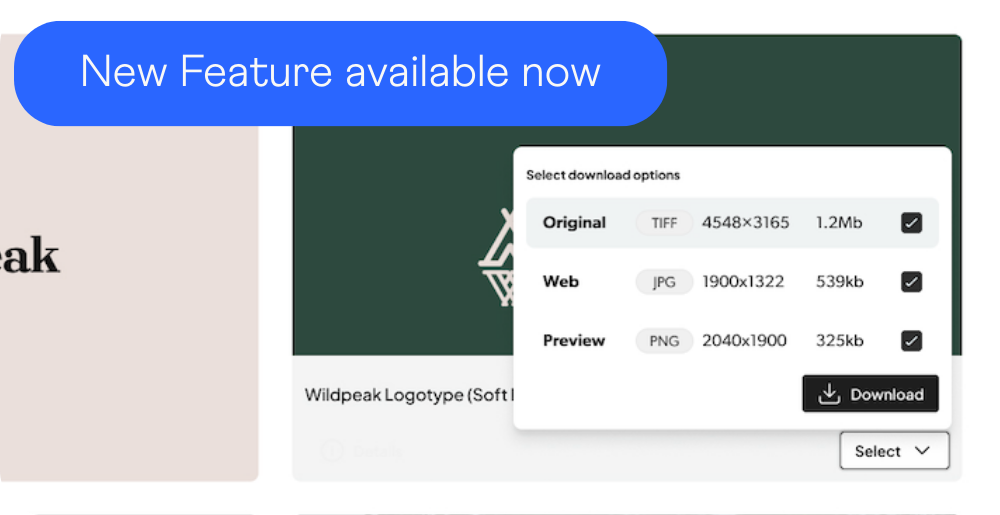
Systems like QBank Media Optimizer take this a step further. By dynamically resizing and delivering assets tailored to specific channels, they reduce bandwidth consumption. That’s fewer server demands and a better experience for end users win-win!
Use Cases: How DAM supports sustainability
Sustainable Content Distribution
Imagine a global retailer who manages thousands of product images across multiple sales channels; e-commerce websites, mobile apps, and in-store displays. Instead of storing duplicates for each platform, they distribute optimized assets directly from QBank via its CDN, QMO - QBank Media Optimizer. This approach not only slashes storage requirements but also enhances delivery speed and reduces their environmental footprint. Efficient, sustainable, and scalable.
Product Lifecycle Management and Compliance
Now, imagine a manufacturing company facing new regulations like Digital Product Passports (DPP). By integrating DAM with their PIM system, they seamlessly manage product sustainability data. DAM becomes the backbone for compliance, ensuring every detail is tracked and accessible while reducing physical and digital waste.
Green IT Goals
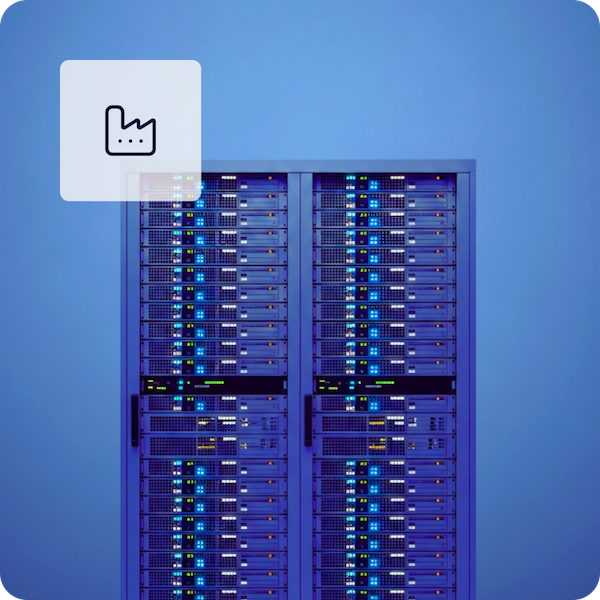
Lastly, think about Green IT. By consolidating digital storage into a single DAM solution, organizations reduce the need for multiple servers and data centers. Many DAM providers, like QBank, use energy-efficient cloud environments powered by renewables. This isn’t just about saving space; it’s about creating a sustainable digital infrastructure.
DAM: Driving cultural and organizational change
DAM’s value doesn’t stop at operations. It has the power to embed sustainability into the culture of an organization. By championing efficiency and accountability, DAM helps organizations align with their broader sustainability goals. And because it integrates with key systems like CMS, ERP, and e-commerce platforms, DAM fosters collaboration and innovation across departments.
Think of DAM as more than a tool; it’s a mindset. When organizations adopt DAM with sustainability in mind, they’re not just improving processes, they’re setting a precedent for greener, smarter digital transformation.
FAQ: Common questions about sustainable Digital Asset Management
What is sustainable digital asset management?
Sustainable digital asset management (DAM) refers to the practice of using DAM systems to reduce environmental impact by minimizing digital waste, optimizing workflows, and improving energy efficiency in storing and distributing digital assets.
How does DAM help reduce digital waste?
DAM prevents the creation of duplicate assets by providing a centralized repository, ensuring only relevant and up-to-date versions are stored. This saves storage space and reduces the energy needed to maintain multiple servers.
What are the benefits of using QBank for sustainability?
QBank helps organizations achieve sustainability goals through features like the QBank Media Optimizer (QMO), which dynamically resizes assets to reduce bandwidth and storage needs, and energy-efficient cloud hosting powered by renewable energy.
Ready to Make Your DAM Sustainable?
Sustainability and efficiency can coexist in harmony. With Digital Asset Management, organizations can embrace a greener approach to digital operations while unlocking new levels of productivity.
Curious to learn more? Explore our Sustainable DAM Landing Page to discover how DAM can support your organization’s sustainability goals.