



-1.png?width=400&name=CMS%20(23)-1.png)

Managing multiple product lines, brands, markets, and languages is complex, but ensuring a consistent product and brand experience across all of them? That’s where the real challenge lies.
In manufacturing organizations, marketing, e-commerce, sales, and product teams all rely on the same content. Product images, specifications, packaging files, campaign visuals, and compliance documents, they’re critical for driving revenue and customer trust. But when those files are stored in different systems, updated manually, and shared through email or messaging apps, inconsistencies start to appear.
It’s not just a content problem, it’s a customer experience risk.
In our full guide, you can explore three common use cases where manufacturers are using DAM to improve content access, consistency, and control across teams and systems. Download it here.
The challenge – consistency across complexity
We often hear from manufacturing organizations with multiple brands or business units. Their teams are doing great work, but they’re not working from the same foundation.
Some common challenges include:
-
Different teams working with different versions of product or brand assets
-
Content being shared manually, leading to outdated files being used
-
Limited visibility into what’s approved or where content lives
-
Lack of connection between systems like PIM, ERP, CMS, or e-commerce platforms
-
Brand and product inconsistencies that impact trust and performance
The solution – a centralized DAM for product and brand alignment
With enterprise digital asset management, manufacturers can bring structure to the complexity. A DAM like QBank acts as a single source of truth for all product and brand content — and it connects seamlessly to the systems your teams already use.
Here’s how DAM helps ensure consistency and collaboration:
Single source of truth – Align all assets in one place
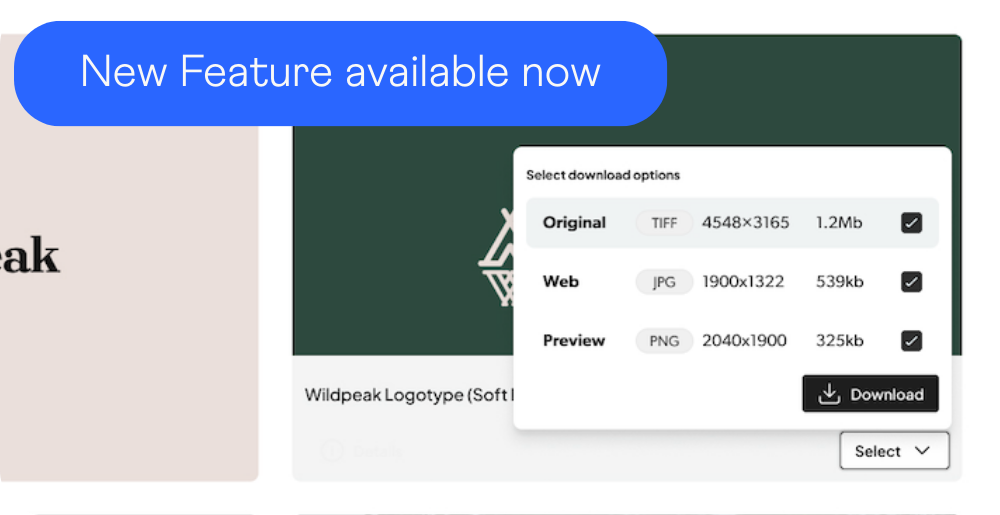
QBank brings everything together in one centralized platform. Logos, product images, packaging files, campaign materials, and compliance documents are all accessible in one hub. Everyone works with the same, approved version, no more silos, no more duplication.
Cross-team collaboration – Make brand consistency a shared effort
Brand alignment isn’t just marketing’s job. It takes input from product, compliance, e-commerce, and digital teams. QBank helps bridge those teams with shared workflows and structured approval processes so everyone is on the same page, literally.
Version control – Prevent mistakes before they happen
Outdated assets can create legal risks, lost sales, or brand damage. QBank’s built-in version control ensures only the latest, approved content is used. Old versions are archived and replaced automatically, so nothing slips through the cracks.
Omnichannel distribution – Stay consistent everywhere
From websites and online marketplaces to partner portals and in-store displays, your product and brand content needs to be consistent across all touchpoints. QBank integrates with PIM, ERP, CMS, and e-commerce platforms, automating updates across every channel with CDN-powered delivery.
Want to explore how content distribution works in real-time? Check out our blog on automated content delivery with QBank and QMO, or let us know if you'd like one tailored to omnichannel retail.
Inside QBank – How it works
QBank supports cross-team collaboration and channel consistency through one connected workflow:
-
Centralize assets – Store product images, documents, packaging guidelines, and campaign materials in one central platform
-
Enable role-based access – Give each team access to the content they need, based on role and region
-
Automate version control and approvals – Prevent errors with structured workflows and content governance
-
Integrate with business tools – Connect your DAM to PIM, ERP, CMS, e-commerce, and marketing platforms
-
Ensure omnichannel consistency – Use CDN-powered delivery to instantly update content across all platforms
Sustainability impact
DAM also supports more sustainable content operations. Centralizing assets reduces unnecessary rework and duplicated storage. Teams spend less time recreating materials, and messaging stays consistent — especially around eco-certifications and packaging guidelines.
It also makes it easier to manage and share sustainability documentation across markets, ensuring that your environmental commitments are communicated accurately at every touchpoint.
Ready to connect your content, teams, and channels?
Consistency doesn’t come from effort alone — it comes from alignment. And that’s exactly what a modern digital asset management platform delivers.
If this use case feels relevant, you might also want to explore how DAM helps in these two areas:
-
How a modern DAM helps manufacturers manage product content at scale
-
How a self-service DAM portal gives partners secure access to the right content
And don’t miss the full guide – Three Key DAM Use Cases for Manufacturers – with practical insights and real-world examples of how manufacturers are building smarter, more connected content operations.