





-1.png?width=400&name=CMS%20(23)-1.png)
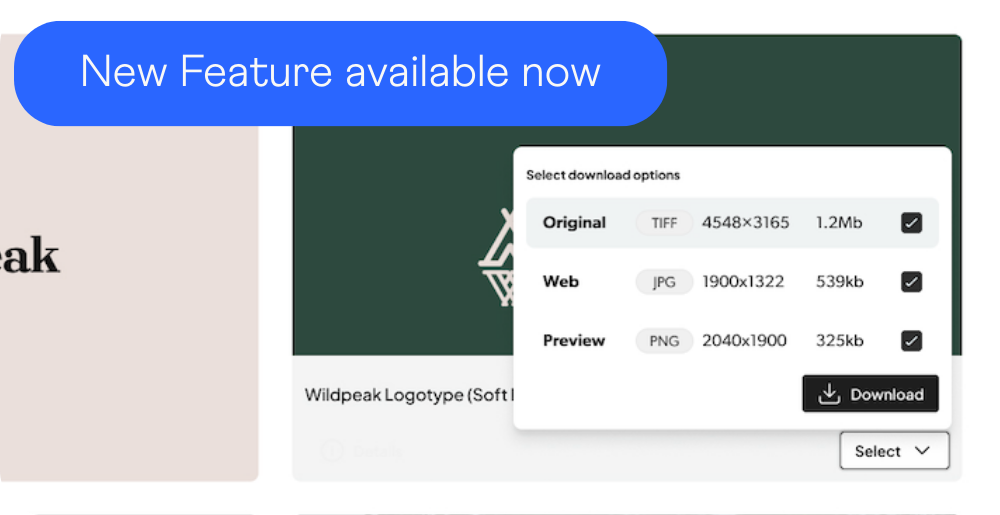
In today’s digital landscape, the average website relies on multiple formats to deliver a seamless experience across various devices. This often involves storing several duplicate versions of each asset, which increases storage needs, drives up costs, and raises environmental concerns. QBank Media Optimizer offers a powerful solution that can achieve up to 63% storage savings by dynamically transforming assets for each channel, helping you optimize your media without compromising quality or performance.
The growing need for sustainable digital practices
The environmental impact of digital services is significant. According to recent discussions from our DAM Day event and a recent webinar with KnowIt Experience, digital infrastructure—if considered a country—would rank as the fourth largest CO2 emitter. This underscores the importance of sustainable practices. By integrating solutions like QBank Media Optimizer into your digital workflow, you can reduce energy consumption and storage demands, ultimately lowering your carbon footprint.
How QBank Media Optimizer supports sustainability
QBank Media Optimizer goes beyond storage efficiency; it’s built with sustainability at its core. By using green infrastructure and a content delivery network (CDN), the Media Optimizer minimizes energy use through scalable hosting and efficient data transfer. Here’s how it works:
-
Dynamic optimization on the fly: Instead of storing multiple versions of the same asset, QBank Media Optimizer dynamically converts and caches assets for each device and channel in real-time. This approach cuts down on redundancy, reduces storage requirements, and ensures that assets are always delivered in their most efficient format.
-
Centralized Asset Management with QBank DAM: With QBank DAM as your single source of truth, you avoid duplicate storage, streamlining processes and maintaining brand consistency. By reducing storage duplication and relying on a centralized system, you also contribute to a greener digital ecosystem.
Achieve cost and performance benefits with sustainable Digital Asset Management
Optimizing for sustainability doesn’t just help the environment—it also saves costs and enhances performance. Here’s how QBank DAM and Media Optimizer can benefit your organization:
-
Efficient Storage & Cost Reduction: By centralizing assets within QBank DAM and eliminating unnecessary duplicates, you can significantly lower storage costs. This approach also minimizes data bloat, helping your organization reduce operational costs while minimizing its carbon footprint.
-
Enhanced Performance for a Better User Experience: QBank Media Optimizer uses dynamic URLs to resize and optimize assets automatically, ensuring faster load times and smoother delivery across platforms. This not only improves user experience but also aligns with SEO best practices, further supporting your digital goals.
Practical tips for sustainable Digital Asset Management
During our recent webinar, sustainability experts from KnowIt Experience highlighted several strategies to promote sustainable digital practices:
- Green infrastructure and hosting: Choose data centers that rely on renewable energy and optimize traffic with CDNs to minimize emissions.
- Reducing user load: Use image compression, lazy loading, and efficient formats like WebP to lower data transfer and improve load times.
- Optimizing UX and design: Streamline content, prioritize mobile-first design, and focus on essential elements to improve overall efficiency.
These actions, paired with QBank’s innovative tools, can significantly reduce greenhouse gas emissions while supporting a high-performing digital presence.
Embrace a sustainable future with QBank
By integrating QBank Media Optimizer and QBank DAM into your digital strategy, you’re not only optimizing your digital assets but also making a positive impact on the environment. Together, these tools offer a streamlined, cost-effective, and eco-friendly solution for managing digital assets, helping you achieve sustainability without compromising performance.
Ready to take the first step towards sustainable tech?
Book a demo with us at QBank and explore how you can help with a greener future.