




-1.png?width=400&name=CMS%20(23)-1.png)

The last years technical growth have had a major impact on the DAM market and its development. Artificial Intelligence (AI), Machine Learning and smart workflows are no longer just buzz words but common terms which features are built upon. The fast-paced tech evolvement comes with great opportunities, here are a few tips to get the most out of your DAM investment.
Many corporations realize that digital assets can be managed in more efficient ways than the usual shared server, and the DAM market is growing rapidly. Implementing a DAM is like any other Martech, an investment. And to run a DAM optimized and get return on your investment (ROI) you need to have a strategy for how to actually use it. With a strategy it will also be easier to take actions for growing with your solution.
With the rapid growth in offered DAM features, you are constantly given opportunities to work smarter. Here are three tips on what to focus on to stay on top of you chosen DAM solution.
1. Processes and Assets
During the DAM implementation process you might have been told to perform an asset assessment, to get an overview of your current assets, where they are being used, what types they are etc. Apart from the assessment you probably have been asked to look at your marketing, communications and product information processes, to learn how you should set up your DAM to efficiently increase your efforts involving digital assets.
If you aren't aware of your processes and assets performance, it is difficult or impossible to get the most out of your DAM. An assessment is not something you do once, but an excellent way to learn if your processes has changed since the implementation was completed. If the prediction that 80 % of all internet traffic will come from video streaming in 2019, then maybe you will (if you haven't already) work more with video now, compared to when you did your last assessment.
2. Measure and Evaluate
At least once a year you should evaluate and measure your DAM efforts. Take a look at your KPI’s to measure the business effects of a DAM. measure your DAM efforts. Take a look at your KPI’s to measure the business effects of a DAM. There are various types of data to consider, like number of published assets, reuse of assets, demographics, or metadata usage.
With an annual evaluation you will not only learn more about your assets and how you use them but it's also the perfect foundation for setting KPI's or goals.
3. What’s new
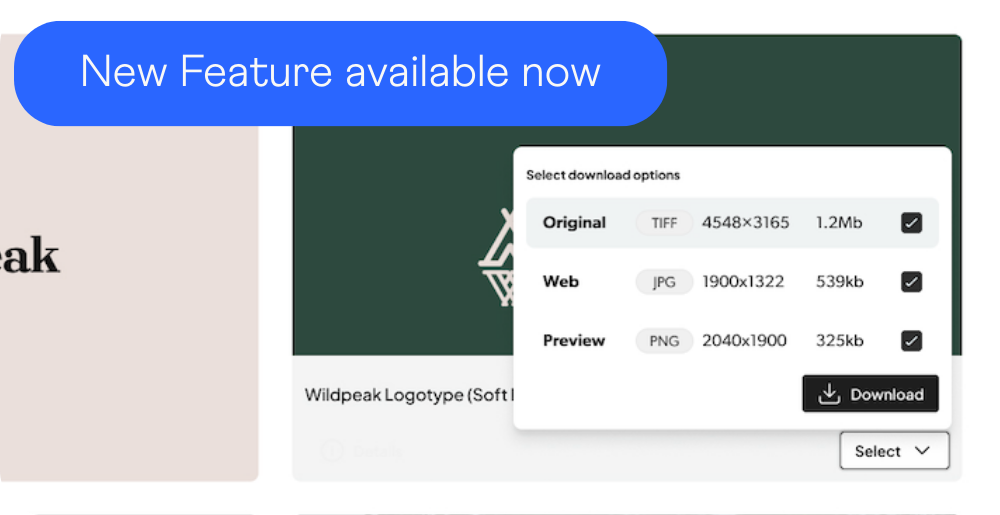
Have a good look at your DAM vendor's offer. Do they have any new features that could be added or maybe replace a feature? You will likely find new workflows or features that you have grown into. Some features will likely be included in your existing set up and others are add-ons. Either way, don't miss out on working smarter and faster with your digital assets.
Using a DAM solution for storage, manage and distribution assets is an ongoing project and you will not finish, but keep on growing and following the tech evaluation.
Related blog posts


Learn more about Digital Asset Management here.
