



Skip to content

Enterprise DAM

Manage all your digital assets in one platform built for complex organizations. Control metadata, rights, workflows and distribution across teams, markets and channels.

Extensions of QBank DAM

Extend QBank to match how your organization works. Add automation, templates, portals and custom functionality when you need it.

Connectors & integrations

Connect QBank to the tools your teams already use. From creative tools and CMS platforms to marketing and product systems.

QBank-menu-news
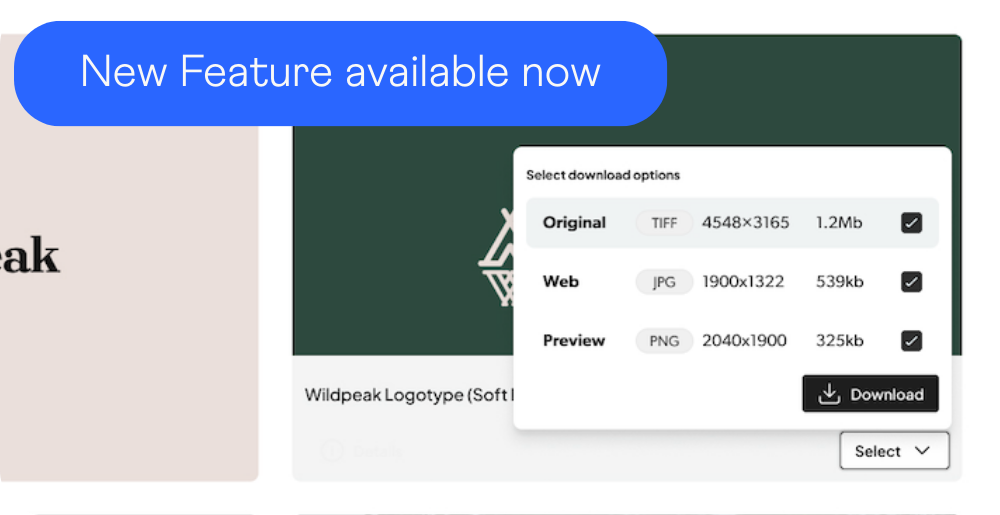
Share assets beyond your organization

Create branded portals where partners, distributors and teams can easily find and download the right assets.

No outdated files. No endless email threads.

QBank DAM for enterprise organizations

Built for complex organizations that need more than asset storage. QBank helps teams across departments, markets, and industries manage, control, and activate digital assets from one governed source.

QBank-manufacturing-menu-rounded-1
Made for manufacturing complexity

Support product communication, technical documentation, and partner access across global teams, product lines, and systems.

QBank-medtech-menu-rounded-600
Built for medtech compliance

Keep digital assets controlled, traceable, and accessible across regulated workflows, teams, and external audiences.

QBank-retail-menu-rounded-1
Designed for retail speed

Help teams manage and distribute approved campaign, product, and brand content across channels, markets, and seasons.

Built for real content workflows

Explore how QBank supports the workflows that matter most across teams, markets, and systems.

Use case - Manage product content across markets
Manage product content across markets

Give global and local teams one structured way to manage approved product content, adapt it for market needs, and keep it consistent across channels.

Use case - Ensure compliant asset versioning
Ensure compliant asset versioning

Keep approved assets under control with clear version history, structured approvals, and traceability across regulated teams and systems.

Use case - Distribute approved content across systems and channels
Distribute approved content across systems and channels

Distribute approved content across websites, platforms, and downstream environments from one controlled source.

Use case - Reduce duplicate assets and improve content reuse
Reduce duplicate assets and improve content reuse

Centralize approved assets, reduce unnecessary duplication, and make it easier to reuse content across teams, systems, and channels.

Use case - Automate content production
Automate content production

Automate repetitive production tasks and keep content work moving faster across teams and workflows.

Sofie Samrell17-03-20171 min read

Tips to implement a DAM

Have your organization decided to start working with a Digital Asset Management? This blog post goes out to you! We have collected a few tips to consider when implementing a DAM.

Images and rich media continue to dazzle us, and every year the use of it increases. This year it is predicted that video will be (even) more popular than last year. How is it even possible you might ask yourselves? Off course you need an effective way to organize your digital assets, that's where a DAM can help you. But, there are steps to consider when implementing a DAM, to make sure you optimize it.

We have helped a lot of organizations with implementations of their DAM, here are a few tips for you to consider.

1. Start small but have your vision ready

Start with one specific need first, and then grow with the implementation. Rome wasn’t built in one day.

2. Get control of your existing assets

Where are they stored? Who’s managing them today? Are there any physical assets that should be handled?

3. Define the workflow

Who should be doing what and how can we automate the process? Which channels need support of DAM? Where does the metadata come from? Are all the channels aligned with the user experience? What communications tools and social media should we integrate with?

4. Metadata

The foundation of a DAM is metadata. Make sure it’s well defined.

5. Define goals and test

Put the vision and goals in place and be ready for testing. Last but not least, collect feedback from the users and follow up your work.

Best of luck!


Want to learn more? Download our White Papers for more inspiration.

LEARN MORE - WHITE PAPERS

avatar
Sofie Samrell
QBank's Marketing Manager since early 2016. Sofie has a passion for marketing, communications, and of course, DAM.

RELATED ARTICLES