




-1.png?width=400&name=CMS%20(23)-1.png)


Getting image formatting right shouldn’t be a guessing game. Whether it’s cropping for different platforms, keeping file
sizes under control, or ensuring images always look sharp, you need the right tools to make it effortless.
If your team still manually resizes, crops, or compresses images, it’s time to rethink your workflow. Let’s explore the must-have features that ensure images always look perfect without all the extra work.
Must-have: Focus point cropping – No more cut-off heads or awkward crops
One of the biggest frustrations with automatic cropping is that it doesn’t always get it right. Maybe the product in your image gets partially cut off, or someone’s face ends up awkwardly cropped. That shouldn’t happen.
👉 In QBank you can easily set a focus point on your image, telling the system exactly what part of the image is most important. That way, no matter how the image is cropped or resized, the key part always stays visible.
Why it matters:
- Product images should always keep the main item in frame, even in different formats.
- People in images should never have their faces cropped out.
- Thumbnails & social previews should always highlight the most important area of the image.
If your system doesn’t allow you to set a focus point, you’re leaving image formatting up to chance and that’s a risk you don’t have to take.
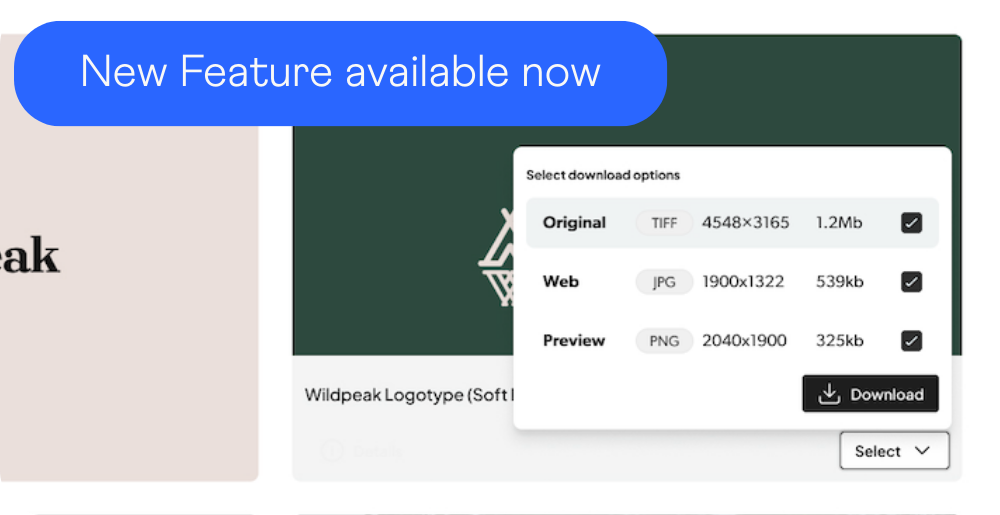
Must-have: Automatic file size control – No more “File too large” errors
If you work with e-commerce platforms, CMS tools, or external partners, you’ve probably hit a maximum file size limit more than once. Adjusting files manually to meet size restrictions is frustrating and time-consuming.
👉 In QBank you can set a maximum file size and let the system handle compression automatically, without making the image look terrible.
Why this is essential:
- Many platforms have strict file size limits (e.g., “Max 1MB per image”), and you shouldn’t have to resize images manually.
- Sending assets to partners or retailers? You need to meet their file size requirements without losing quality.
- Web performance matters, large images slow down pages, but over-compressed images look bad. You need balance.
This should happen automatically, not as an extra step in your workflow.
Must-Have: Smart resizing – Get the right size without guesswork
Not all platforms want the same image size. A web banner, social media post, and product thumbnail all need different dimensions, but that doesn’t mean you need dozens of versions of the same image.
👉 In QBank you are able to resize images to fit exact dimensions without stretching or distorting them.
What this means in practice:
- If your platform needs a 2000px-wide version for print and an 800px-wide version for web, this should be handled automatically.
- Aspect ratios should be preserved, so you don’t end up with stretched or warped images.
- You shouldn’t need to manually adjust every image for different platforms, your system should do it for you.
If resizing isn’t built-in and automated, you’re spending more time than necessary formatting images.
Must-Have: Extent – resize without cropping important details
Sometimes, an image needs to fit a specific aspect ratio, but cropping isn’t an option because you’d lose important details.
👉 In QBank you can extend the image instead of cropping it, adding space around the edges to fit the required format without cutting anything out.
Why it matters:
- Product images might need to fit an e-commerce template without losing part of the product.
- Campaign visuals often require multiple versions across platforms, this ensures they stay consistent.
- Design flexibility - instead of forcing a crop, you can adjust the background area to fit any format.
If a DAM system only offers basic cropping, it’s limiting your ability to work with different aspect ratios.
Must-Have: Quality control – Keep images sharp without giant files
Balancing image quality and file size is tricky. Too much compression? Images look awful. Too little? They’re too heavy for web use.
👉 In QBank you are able to control compression levels to get the best balance between file size and clarity.
What this looks like in action:
- Sharpening should happen automatically when images are resized, so they don’t look soft or blurry.
- Quality adjustments should be easy, so images can be optimized for both web and print.
- No more manual tweaking, your system should optimize images based on their final use.
If compression is all-or-nothing, you’re either wasting space or sacrificing quality. Neither is a good option.
Time to upgrade how you handle image formatting
If your current workflow doesn’t include these must-have features, you’re either spending too much time fixing images manually or ending up with poor-quality results.
- Focus Point cropping ensures images always keep the key subject in view.
- Max File Size control prevents frustrating “file too large” errors.
- Smart resizing & extent make images fit every platform perfectly.
- Quality controls keep images crisp and professional-looking.
Image formatting should be effortless, not a constant headache. If your system doesn’t do the work for you, it might be time for a change. Curious to see how effortless it can be? Let’s talk!