





-1.png?width=400&name=CMS%20(23)-1.png)

One of our highly appreciated keynotes during DAM DAY was delivered by Johan Boström, SaaS entrepreneur and one of the co-founders of Inriver PIM. Boström delivered a powerful presentation on Digital Product Passports, emphasizing the need for organizations to rethink sustainability. The message was clear: sustainability is no longer just about compliance—it’s about creating value for both businesses and customers.
The sustainability challenge
Boström highlighted a pressing reality: only 9% of the global economy is circular, meaning we are on track to consume 2.3 planets’ worth of resources annually by 2040. With 75% of our resources being non-renewable, this model is unsustainable. But businesses face more than just resource depletion—they must also balance profitability, customer experience, and operational efficiency.
This is where Digital Product Passports (DPPs) come into play a topic we have covered before in a series of blog posts.
Digital Product Passports: The key to sustainable compliance
As sustainability becomes a critical issue, DPPs are poised to become mandatory in the EU. These passports require businesses to track and document a product’s entire lifecycle, from raw materials to disposal. But beyond regulatory compliance, DPPs open up opportunities for businesses to:
- Share compelling product stories.
- Improve customer trust and engagement.
- Enable long-term lifecycle management and recycling efforts.
According to Boström, Digital Asset Management (DAM) is crucial in managing the massive amounts of data and assets required for DPPs. Whether tracking material origins, maintaining audit trails, or ensuring data accessibility across the supply chain, DAM solutions like QBank help companies turn sustainability from a compliance burden into a competitive advantage.
The power of integrating DAM with PIM and PXM
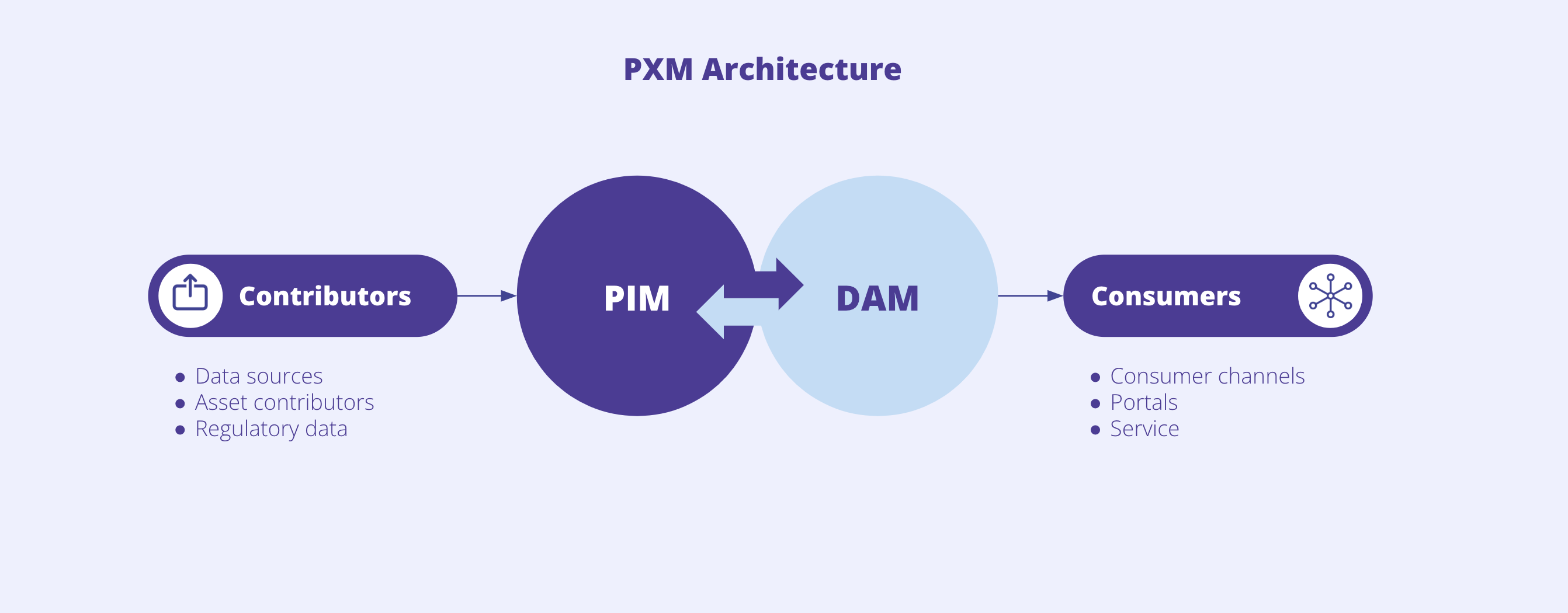
While DAM systems are essential for managing the digital assets needed to support compliance and sustainability efforts, PIM is the backbone that ensures all product data is accurate, consistent, and accessible throughout the product lifecycle. Together, they create a solid foundation for tracking and managing the vast amounts of information required for Digital Product Passports (DPPs).
But true value is unlocked when businesses think beyond managing assets and data. This is where Product Experience Management (PXM) comes in. PXM is a practice that orchestrates data from multiple systems—PIM, DAM, CMS, commerce tools, and ERP—to create an engaging and consistent experience for customers at every touchpoint. It’s not just about compliance; it’s about delivering the right information, at the right time, in the right context to enhance the customer experience.
With PIM ensuring data accuracy and DAM managing the digital assets, PXM thinking enables you to leverage that data and those assets to provide transparency, build trust, and ultimately create lasting value for both the business and the customer. This holistic approach not only meets regulatory requirements but also strengthens customer relationships and differentiates your brand through sustainability.
Why act now?
Early adoption of DPPs and integrating DAM, PIM, and PXM offers numerous advantages:
- Transparency: Build customer trust by showcasing the origin, composition, and sustainability of products.
- Compliance: Simplify regulatory adherence by centralizing and tracking all necessary product data.
- Resilience: Strengthen your supply chain through better data management and increased accountability.
- Sustainability: Create a product lifecycle that prioritizes repair, reuse, and recycling, appealing to eco-conscious consumers.
Conclusion: Don’t wait—Seize the opportunity
By acting now, businesses can shape the future of sustainable product management. The integration of DAM, PIM, and PXM provides the tools needed to turn compliance into a strategic advantage, helping businesses build stronger, more sustainable customer relationships.
Want to dive deeper into how QBank can help you stay ahead of the curve? Download our Digital Product Passport Whitepaper to learn how to make sustainability work for your business.
You can watch the full presentation by Boströms at DAM Day here.