




-1.png?width=400&name=CMS%20(23)-1.png)

Times are changing, and so are customer expectations, regulatory demands, and internal operational needs. Whether you're in the business of selling sneakers, sofas, or satellites, adapting to these shifts is essential.
For forward-thinking businesses, this means PIM + DAM. By integrating DAM (Digital Asset Management) and PIM (Product Information Management), you can streamline your business workflows and increase productivity.
What is DAM and what is PIM?
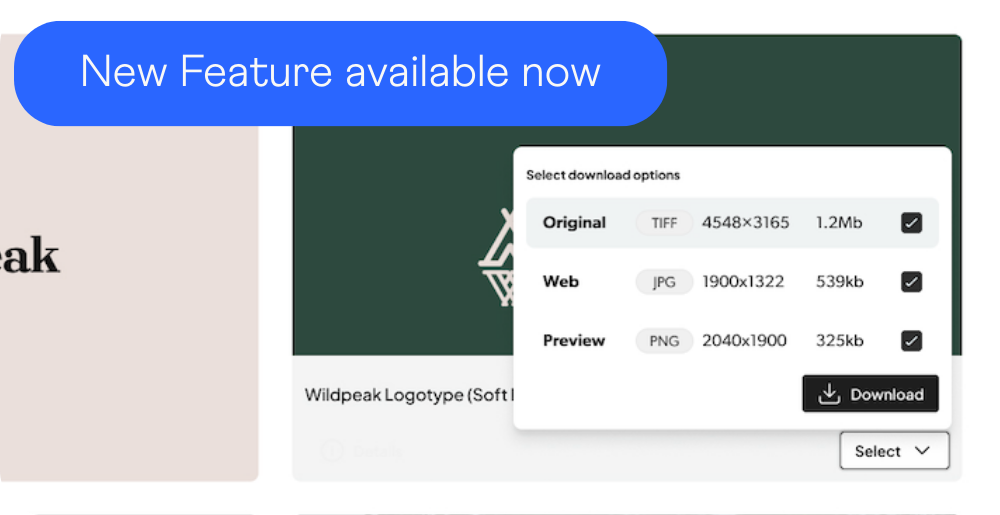
With DAM serving as the centralized hub for storing, organizing, and sharing all enterprise-wide digital assets at every stage of the product journey, you can create, manage, and edit digital files for internal and external use.
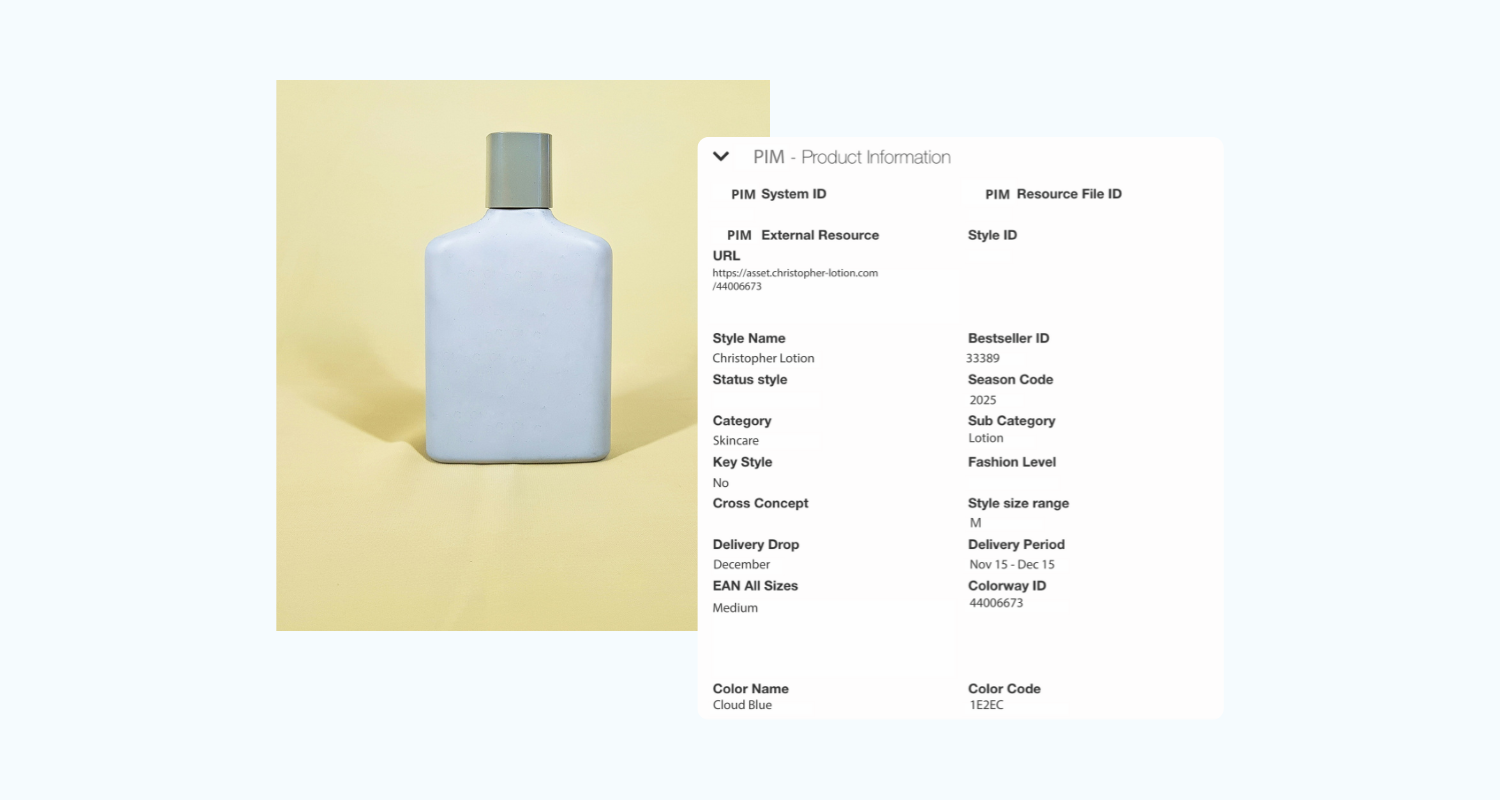
PIM, on the other hand, specialize in handling product related information, acting as a single source of truth throughout the product lifecycle. It supports every stage of the product journey and enables you to create, enrich, distribute, and publish from a centralized platform.
How do they work together?
The integration of DAM and PIM systems offers significant benefits due to their complementary functionalities.
By combining DAM and PIM, organizations can achieve seamless coordination between digital assets and product data. Assets in your DAM will be enriched with product information from PIM, and vice versa—product information in your PIM will be enriched with assets from DAM.
Ways DAM and PIM can transform your business
The combining of DAM and PIM will have a positive effect on your collaboration and content consistency, collaboration, time-to-market and profitability.
Improved content consistency and customer experience
Integrating DAM and PIM systems centralizes the management of your global assets across countries, regions, and between content versions. This streamlines content creation, improves accuracy, and enables personalized customer experiences.
By leveraging a unified repository, businesses can build a path to purchase on every channel with accurate information, relevant digital assets and localized product content. Which will improve the overall customer experience.
Optimizing collaboration
By having DAM and PIM, your teams will be able to collaborate at the next level. They will access and work on digital assets and related product information together, eliminating the need for multiple and disorganized systems.
With streamlined workflows and improved visibility, teams can collaborate more effectively, leading to enhanced productivity and better outcomes for your business.
Accelerating time-to-market and increasing profitability
Getting your products to market faster can give you a significant advantage in a competitive market. With DAM and PIM working together, you can avoid manual uploads to individual channels and simplify your go-to-market process.
Synchronized product information with your digital assets ensures accurate and efficient distribution across all channels, eliminating the need for manual updates and reducing the time and effort required to launch new products or updates
Accelerating time-to-market not only allows you to stay ahead of the competition but also increases profitability.
Conclusion
Integrating DAM with PIM allows your company to effectively manage, distribute, and leverage digital assets and product information, resulting in improved operational efficiency and brand presence and an increased customer satisfaction.
We collaborated with inriver PIM to explore the benefits and synergies of DAM and PIM, to learn more download our e-book here
