



-1.png?width=400&name=CMS%20(23)-1.png)

Digital content sits at the center of modern organizations. Every campaign, product launch, website update, or partner collaboration relies on images, videos, documents, and other digital assets. As the volume of content grows, so does the challenge of managing it effectively.
Many organizations begin their journey with a simple goal: finding a better way to store and share files. That often leads to implementing an image bank or media library. While these tools help organize assets, they typically focus on storage and retrieval.
But today’s organizations need more than storage. They need a way to manage how digital assets move across teams, platforms, and workflows.
That’s where digital asset management (DAM) comes in.
A modern digital asset management system is not just a place to store files. It acts as the infrastructure that powers how content is created, managed, governed, and distributed across the entire organization.
If you’re new to the topic, you can start by exploring the differences between image banks and DAM in our earlier article - DAM vs. Image bank: What's the best choice for enterprise businesses?
In this article, we take the next step and explore how digital asset management powers modern content operations.
From image libraries to Digital Asset Management
Traditionally, image banks were designed to solve a straightforward problem: centralized asset storage.
They typically provide functionality such as:
- uploading images and files
- organizing assets in folders
- searching for content
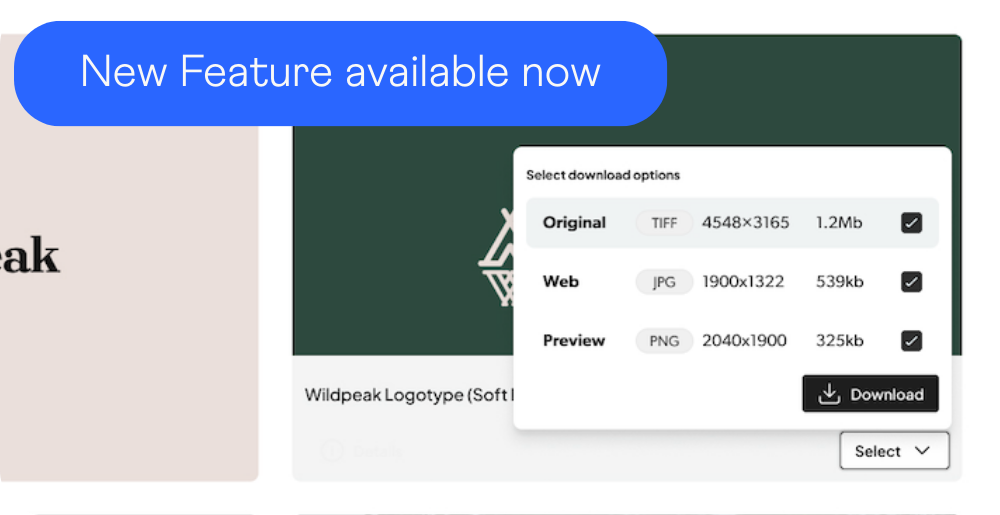
- downloading and sharing files
These capabilities help teams manage their digital files more efficiently. However, they only address a small part of the broader challenge organizations face today.
Digital content now flows through many parts of the business. Assets are created by designers or agencies, used in marketing campaigns, shared with partners, published on websites, and distributed across multiple digital channels.
A digital asset management system is built to support this broader ecosystem. Instead of focusing only on storage, a DAM platform helps organizations manage the entire lifecycle of their digital assets.
The growing complexity of digital content
The need for enterprise digital asset management becomes clear when organizations look at how many systems depend on digital assets.
Modern content operations often involve multiple platforms, including:
- CMS platforms that publish content to websites
- PIM systems that manage product information
- Marketing automation tools that distribute campaigns
- Ecommerce platforms that power product experiences
All of these systems rely on the same assets: product images, brand visuals, campaign videos, and marketing materials.
Without a structured way of managing these assets, organizations quickly encounter challenges such as:
- duplicate files across platforms
- outdated assets being reused
- inconsistent branding
- inefficient content workflows
- time spent searching for the right files
A digital asset management platform addresses these challenges by acting as a central system for organizing and governing digital assets.
DAM as the engine behind content operations
To understand the role of digital asset management, it helps to look at how digital assets move through an organization.
Content is rarely created and used in just one place. Instead, assets move between teams, tools, and channels.
For example:
- a designer creates product visuals
- marketing uses them in campaign materials
- ecommerce teams publish them on product pages
- sales teams include them in presentations
- partners access them through a brand portal
A DAM system becomes the central hub that manages this process.
Rather than storing separate versions of assets in multiple platforms, organizations can maintain a single source of truth within their digital asset management system.
Through digital asset management integrations, assets can be delivered directly to other platforms such as CMS, PIM, and ecommerce systems. This allows organizations to distribute approved assets across their digital ecosystem while maintaining governance and consistency.
In this way, DAM becomes the engine behind modern content operations.
Managing the digital asset lifecycle
Another key capability of a digital asset management system is supporting the digital asset lifecycle.
Digital assets are not static files. They move through several stages, including:
- Creation
Assets are produced by designers, photographers, or external agencies. - Review and approval
Teams review content and ensure it meets brand and compliance standards. - Metadata and organization
Assets are tagged with metadata so they can be easily searched and managed. - Distribution
Assets are delivered to websites, campaigns, ecommerce platforms, and partner portals. - Reuse and optimization
Teams reuse approved assets across different channels and campaigns.
A well-designed DAM system supports this entire digital asset management process, helping organizations reduce manual work while improving collaboration.
DAM beyond marketing
While digital asset management for marketing is often the starting point, DAM quickly becomes valuable across many departments.
Different teams rely on access to the same assets, including:
- marketing teams managing campaign assets
- sales teams using presentations and product materials
- ecommerce teams managing product media
- HR teams working with employer branding content
- agencies collaborating with internal teams
This broader use case highlights the importance of brand asset management.
A digital asset management platform ensures that everyone across the organization works with the correct and approved assets. This helps maintain brand consistency while enabling teams to collaborate more effectively.
Content governance and workflow control
As organizations scale their content production, maintaining control becomes increasingly important.
Without proper governance, teams may unknowingly use outdated or unapproved assets, leading to inconsistent branding and compliance risks.
A digital asset management solution helps organizations implement structured content governance by providing:
- version control
- user permissions and access management
- approval workflows
- asset usage tracking
These capabilities support structured content workflows and help ensure that assets are managed in a consistent and controlled way.
Choosing the right Digital Asset Management system
When evaluating digital asset management software, organizations should look beyond basic asset storage.
A modern digital asset management system should support the broader needs of content operations, including:
- structured metadata and taxonomy
- integrations with existing platforms
- scalable content workflows
- governance and access control
- collaboration across teams
These capabilities determine how effectively a digital asset management platform can support your organization as content production grows.
For organizations planning to implement a DAM system, it is important to take a structured approach to the evaluation process. Our guide, The 7-step guide to purchasing a DAM, walks through the key considerations when selecting a digital asset management solution. From defining your requirements to evaluating vendors and planning implementation.
You can access the guide here:
https://qbankdam.com/guides/rfp-download
The guide also includes a practical DAM RFP checklist to help ensure that important aspects such as workflows, integrations, governance, and scalability are included when defining your requirements.
From storage to content infrastructure
As digital content continues to grow, the role of digital asset management is expanding.
What began as a way to organize files has evolved into a system that helps organizations manage how content flows across their entire ecosystem.
By centralizing assets, supporting the digital asset lifecycle, and integrating with other platforms, a DAM system enables organizations to scale their content operations while maintaining governance and consistency.
In other words, digital asset management is no longer just about storing assets. It is about powering how modern organizations manage and distribute content.
If your organization is currently exploring digital asset management, understanding how DAM fits into your broader content ecosystem is an important step. Whether you’re evaluating solutions, defining requirements, or simply exploring how DAM could support your teams, we’re always happy to share insights and discuss real-world use cases.
Feel free to get in touch with our team to start the conversation.
Frequently asked questions about digital asset management
What is digital asset management?
Digital asset management (DAM) refers to the process of organizing, storing, managing, and distributing digital assets such as images, videos, documents, and brand materials. A digital asset management system helps organizations maintain control over their assets while making them easily accessible across teams and platforms.
What is a digital asset management system?
A digital asset management system is software designed to store, organize, and distribute digital assets. Modern DAM platforms also support workflows, metadata management, integrations with other systems, and governance processes that help organizations manage their digital asset lifecycle.
How does digital asset management work?
Digital asset management works by centralizing digital assets in a structured platform where they can be tagged with metadata, organized, approved, and distributed across systems and teams. Through integrations, assets can be delivered directly to platforms such as CMS, ecommerce systems, or marketing tools.
Why is digital asset management important?
Digital asset management is important because it helps organizations manage growing volumes of digital content. By centralizing assets and supporting structured workflows, a DAM system helps reduce duplication, maintain brand consistency, and improve collaboration across teams.
What is the difference between an image bank and a DAM system?
An image bank primarily focuses on storing and sharing images. A digital asset management system goes further by supporting the full lifecycle of digital assets, including governance, workflows, integrations, and distribution across multiple platforms. This article explores the differences between an Image bank and a DAM system.