



-1.png?width=400&name=CMS%20(23)-1.png)
As we prepared for an exciting webinar on sustainable technology together with Knowit Experience, I took the chance to chat with two of their experts, Dennis Adolfi, Head of tech and John Beijar, Head of Design, who shared their thoughts on the future of sustainable tech and how companies can make their digital presence more environmentally friendly. We also touched on how Digital Asset Management (DAM) plays a crucial role in this landscape. Here's a sneak peek into our conversation, offering a glimpse of the insights you’ll gain from the upcoming webinar!
To kick things off, I asked Dennis and John about their perspectives on sustainable tech and why it is becoming an urgent priority in today’s digital age. Dennis explained, “Sustainable tech is all about designing and managing digital solutions in a way that minimizes their environmental impact. Many people don’t realize that the tech industry, especially the internet, contributes significantly to global carbon emissions. In fact, if the internet were a country, it would be the fourth largest polluter globally. This reality makes it critical to rethink how we build and manage digital solutions. By focusing on things like optimizing code, choosing green hosting, and reducing unnecessary digital clutter, we can create a more sustainable digital footprint.”
John added, “It’s really about making smarter, more conscious decisions. Every aspect of digital design and development—from the infrastructure we choose to how we manage data—can be optimized for sustainability. Sustainable tech is not just a buzzword; it’s a necessary shift toward a more responsible digital future.”
Curious about the specific steps companies can take, I asked them to give us a preview of what will be discussed in the webinar. Dennis shared, “In the webinar, we’ll go through four practical steps that any company can take to get started with sustainable tech. One key area we’ll cover is green hosting and infrastructure. This means choosing servers and data centers powered by renewable energy sources. Making this switch might sound challenging, but the steps are straightforward, and the environmental benefits can be substantial.”
John continued, “We’ll also talk about reducing the load on end users. This involves delivering only the necessary content and using efficient systems to ensure that websites and apps aren’t consuming more energy than they need to. It’s about optimizing user experiences in a way that benefits both the planet and the users. Fast, efficient websites don’t just help reduce carbon emissions; they also enhance user satisfaction.”
I mentioned that many people often think sustainability involves sacrifices or reduced functionality, but Dennis and John highlighted that sustainable choices often bring multiple benefits. I asked them to elaborate on how companies can optimize their digital presence without compromising on performance or user experience.
“Exactly,” John nodded. “A big part of this is optimizing SEO, UX, and design. It’s about being mindful of what you include on your site—efficient media formats, climate-friendly design principles, and careful use of fonts, videos, and audio. A website that is lean and efficient not only loads faster but also consumes less energy, which is good for both users and the environment.”
Dennis added, “Another area we will cover is the reduction of third-party tools. Many websites are bloated with plugins and analytics tools that increase their energy footprint. By carefully evaluating these tools and opting for greener alternatives, companies can significantly cut down on unnecessary digital waste.”
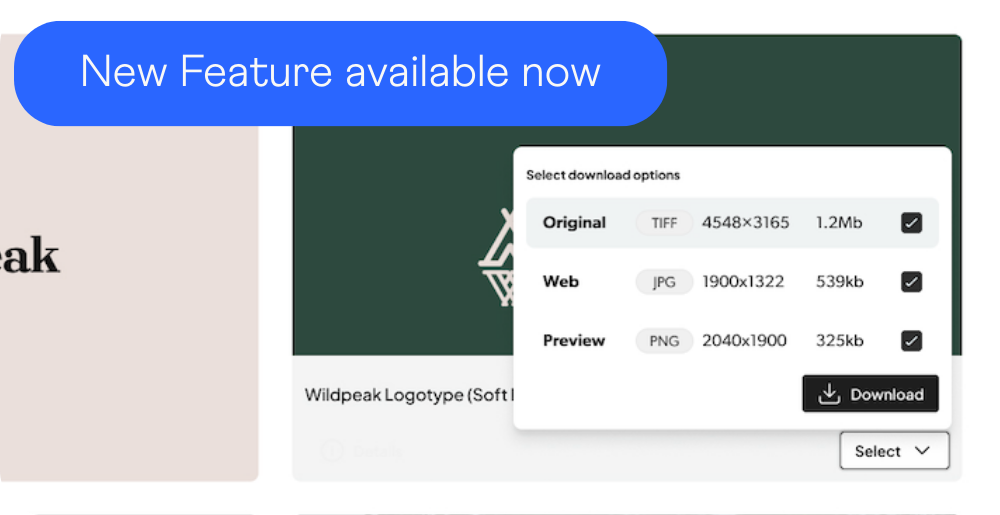
This brought us to an important topic that is often overlooked: Digital Asset Management (DAM). I asked them about the role of DAM in sustainable tech. Dennis explained, “DAM plays a crucial role in sustainable tech by providing a centralized system for managing digital assets like images, videos, and documents. A well-implemented DAM system ensures that you’re using optimized, properly tagged, and accessible assets across all your digital platforms. This reduces redundancy and prevents the use of oversized or outdated assets, which can bloat websites and increase data transfer loads. Efficient asset management can significantly reduce the digital footprint, saving both energy and resources.”
John added, “Think of DAM as a way to declutter your digital house. It helps you streamline content delivery and ensures that only the most optimized assets are in use. This is particularly important for companies that deal with large volumes of media content. By using DAM effectively, you not only enhance your sustainability efforts but also improve operational efficiency.”
To wrap up our discussion, I asked Dennis and John to share some practical tips for anyone looking to start their journey toward sustainable tech. They were quick to provide four actionable steps:
- Ensure Green Hosting and Infrastructure: “Choose hosting providers that use renewable energy,” Dennis suggested. “Look for data centers that scale based on workload to save energy and resources.”
- Reduce Load on the End User: “Minimize the size of web pages by loading only necessary elements and using efficient content management systems,” John advised. “This is where DAM can be incredibly powerful by ensuring that only optimized, relevant assets are loaded.”
- Optimize SEO, UX, and Design: “Be smart about your web design choices,” Dennis emphasized. “Use eco-friendly frameworks and optimize media formats to keep your pages light and energy-efficient.”
- Reduce Third-Party Tools: “Evaluate all the third-party tools on your website,” John recommended. “Keep only what is essential and consider greener alternatives for analytics, ads, or other plugins. Every unnecessary tool adds to the digital footprint.”
Our conversation left me inspired and excited for the upcoming webinar, where we’ll dive even deeper into these topics and explore how QBank and our QBank Media Optimizer can support you on that journey. For a deeper dive into QBank's perspective on sustainable technology, be sure to check out our dedicated blog post on the subject.
Join us for the webinar!
If this discussion has sparked your interest, don’t miss our upcoming webinar on October 10th, where Dennis and John will delve further into sustainable tech, and together with our own Hootan explore the role of DAM in reducing digital footprints. Together, we can take meaningful steps to create a more sustainable digital future. Register here!