




-1.png?width=400&name=CMS%20(23)-1.png)

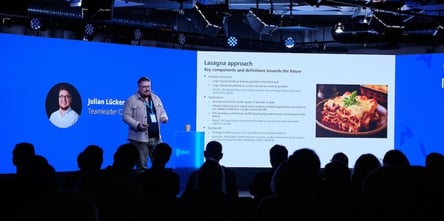
During DAM Day, Atlas Copco shared an inspiring story of how they’re using digital asset management (DAM) to redefine customer experience—across their entire organization. In a keynote that captivated attendees, Julian Luckerath from Atlas Copco’s CX team showcased how QBank’s DAM platform is enabling their team to go beyond traditional media management, providing diverse digital assets, like technical documents and presentations, to internal and external users. Their approach underscores a new, user-centered way of thinking about DAM, proving that with the right tools, DAM can be a core component of customer experience strategy.
A customer-driven DAM solution
Julian described the vision behind Atlas Copco’s DAM project, called “My Toolbox.” This isn’t your typical DAM solution focused on images and videos; instead, Atlas Copco leverages QBank to manage resources that empower internal teams, dealers, and customers alike. With customer experience as their guiding principle, Julian explained how the DAM setup ensures that users can quickly access essential information like service manuals, product updates, and presentations—exactly when they need it.
A Single Source of Truth for consistency
One of the standout principles Julian highlighted was the importance of a single source of truth. By centralizing these assets in QBank, Atlas Copco eliminates inconsistencies, ensuring that all users, whether internal or external, are working with the most accurate information. Julian emphasized that this consistency is critical for an organization as expansive as Atlas Copco, where accurate documentation is crucial. With QBank, redundant resources are minimized, creating a reliable, streamlined experience for users navigating the DAM system.
The power of a headless, API-driven architecture
Julian also shared how a headless architecture with robust API capabilities has made all the difference in tailoring their DAM solution. By leveraging QBank’s APIs, Atlas Copco has integrated DAM with a variety of other tools, including their PIM system, customer portals, and service applications. “Rather than relying on a one-size-fits-all platform, we’ve customized our workflows to meet our unique needs,” Julian explained, adding that this flexibility allows them to deliver digital assets across multiple applications seamlessly.
One practical example Julian shared was the use of QR codes on machinery that allow customers to scan and instantly access machine-specific documents. This integration, he noted, provides customers with the exact information they need, right at their fingertips. Julian also highlighted the subscription feature, which lets users receive notifications whenever certain documents are updated—an essential tool for service teams relying on timely information.
Highlights from Julian’s keynote
To wrap up, here are the essential takeaways from Julian’s presentation at DAM Day:
-
Beyond marketing: Atlas Copco’s DAM solution is a unique case outside of marketing, with QBank serving as a repository for a wide range of assets, including documents and presentations, that support various departments across the organization.
-
Customer-centric design: With “My Toolbox,” Atlas Copco’s DAM was built with the end-user in mind, making it easy for internal and external users alike to access the right assets quickly and efficiently.
-
Single source of truth: Centralizing assets within QBank has streamlined access to reliable information, reducing redundancy and ensuring that all users have the most current resources.
-
API-driven flexibility: Using QBank’s APIs in a headless setup, Atlas Copco has integrated DAM into their broader digital landscape, seamlessly connecting it with tools like their PIM system and service applications to support a cohesive, customer-first approach.
-
Future-proofing with AI and analytics: Looking ahead, Julian shared that Atlas Copco plans to expand their use of QBank’s DAM, exploring features like AI tagging and analytics to track asset usage and enhance asset management.
Conclusion: A customer-centric approach to DAM implementation
Julian’s keynote offered invaluable insights into how Atlas Copco’s use of QBank has set a new standard for DAM as a driver of customer experience and operational efficiency across departments. By leveraging QBank’s API-driven flexibility, Atlas Copco has created a tailored solution that supports internal and external users with a single source of truth, integrating seamlessly into their digital ecosystem. Their journey demonstrates that DAM can be more than a repository—it can be a cornerstone for continuous value and streamlined workflows across the organization.
If you’re interested in exploring how QBank can support your organization’s unique needs, talk to us today! And for the full experience of Julian’s presentation, watch the entire keynote by Julian here.